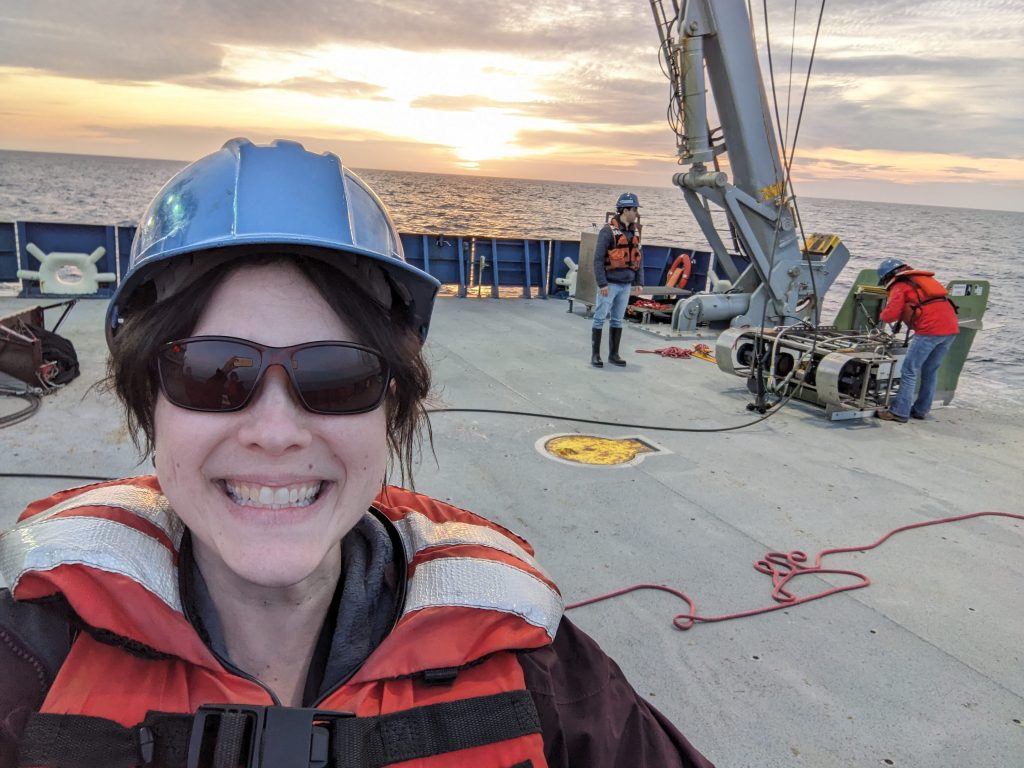
The last month has been a whirlwind… I joined the science crew of the R/V Armstrong as they explored the waters — and organisms — off the New England Coast, for the Northeast U.S. Shelf Long-Term Ecological Research (LTER) project. It was be my second time out at sea; my first time was an undergrad researcher aboard the tall ship the Corwith Cramer for the SEA program, so it’s been a minute, and I was excited to be on such a high-tech, modern vessel!
This research cruise is part of reporting for a NEW BOOK I am writing, about field-based research. The book will be published by Columbia University Press, and I am so excited to once again bring the voices and stories of a variety of scientists to the page, to share with the world!
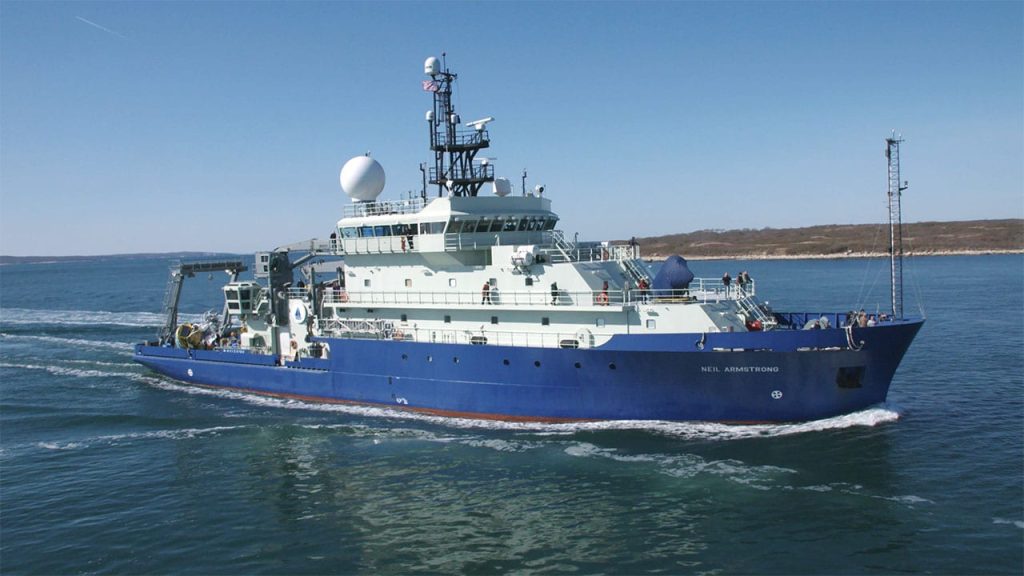
My time aboard the R/V Armstrong was wonderful! I met so many impressive scientists at varying phases in their career, from undergrads through postdocs and PIs, and was honored to be welcomed onto the team with so much warmth and openness.
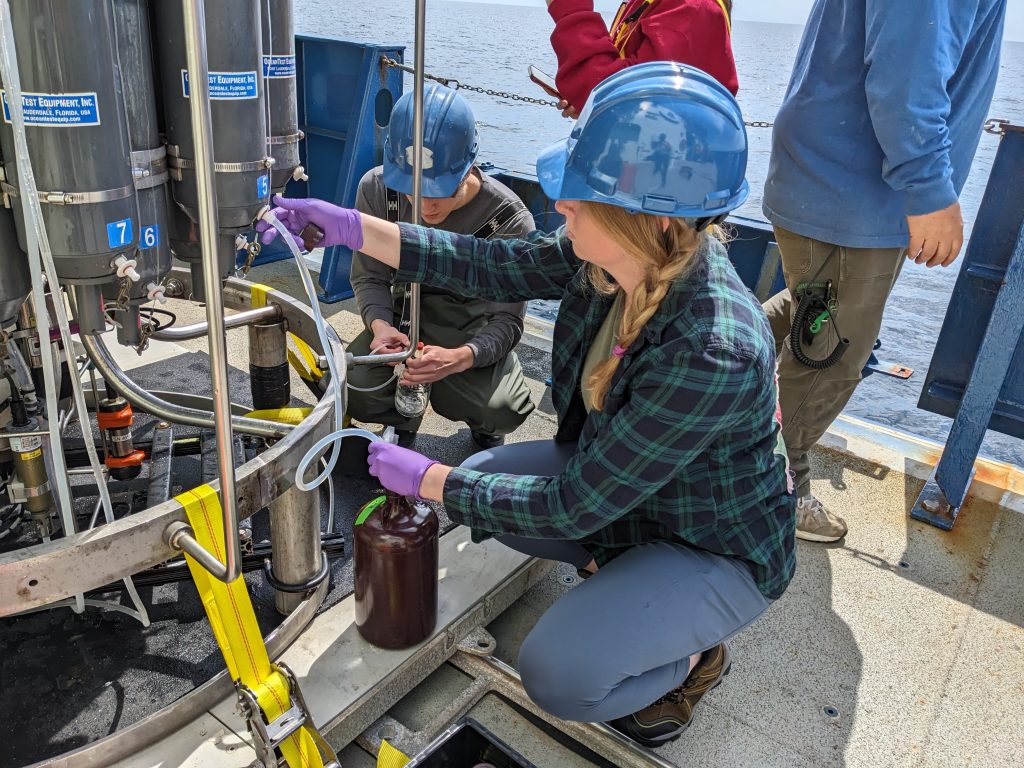
The #science aboard the research vessel was nonstop! I helped deploy various sampling equipment throughout the expedition and witnessed the meticulous ways the water is sampled and processed by people and computers. The amount of expertise and teamwork required is incredible and is generating a greater understanding of the marine ecosystem and how its changing over time.
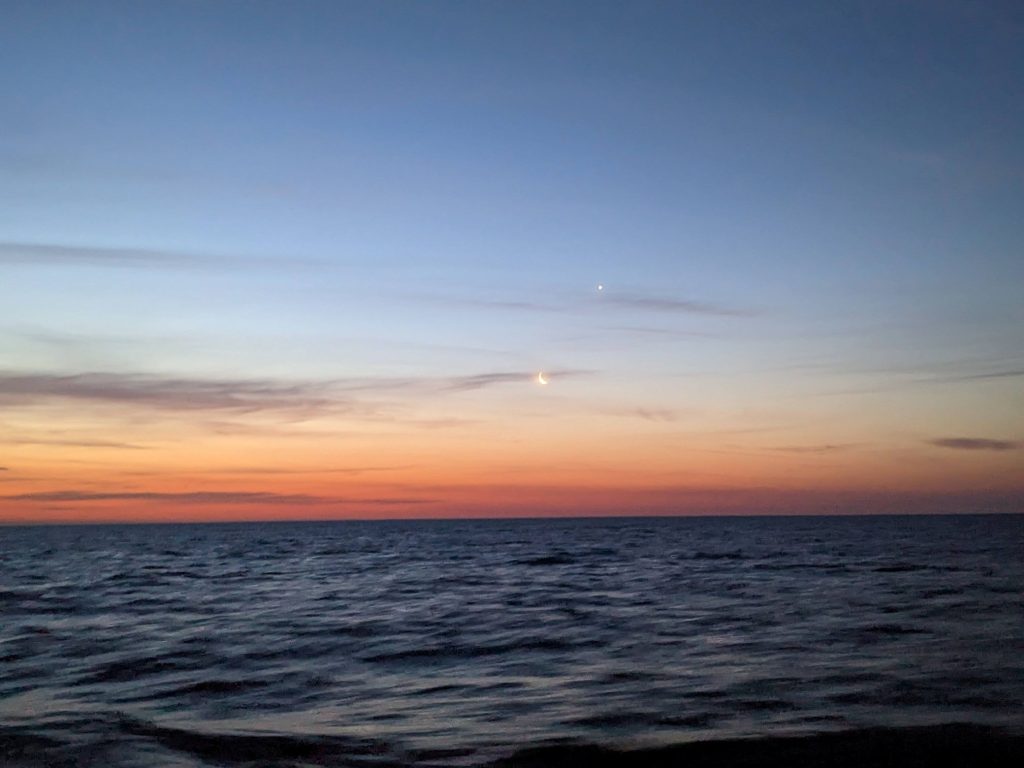
On top of all of that, I loved the magical twilight time each night as the sun set and the moon and Jupiter rose above the seas, seeing whale spouts and a couple of whales breaching the surface, as well as early morning chats with science crew about everything from punk rock music to funny dog stories. It’s amazing how much you can learn about people in such a short time!
Thank you to Long Term Ecological Research Network and Woods Hole Oceanographic Institution for this experience. I could not have asked for a better way to kick off the in-person reporting for my new book on fieldwork and the relationship between people and technology in field-based research.